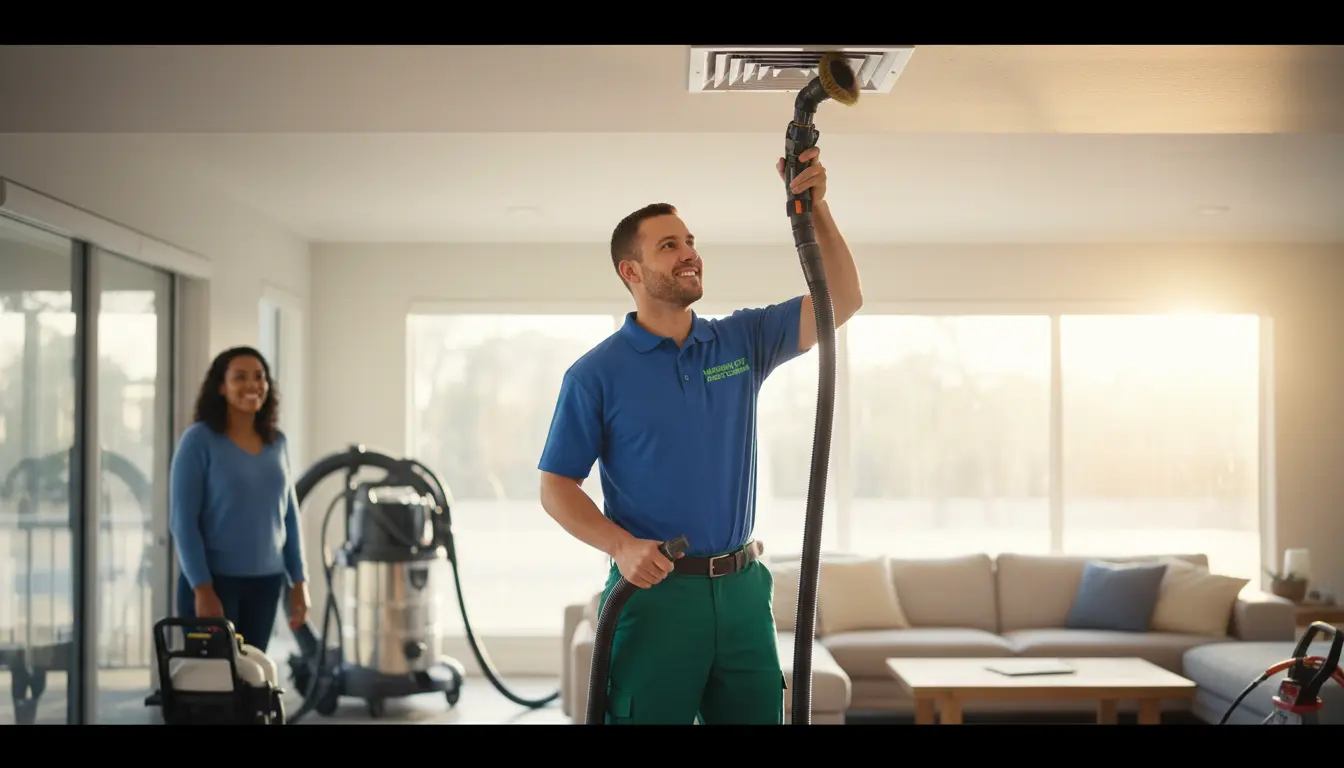
As a homeowner in Missouri City, ensuring the air quality in your home is crucial for the health and comfort of your family. Poor indoor air quality can lead to various health issues, including chronic fatigue and sinus pressure. That is why having a step-by-step guide to air duct cleaning is essential. Understanding the mechanical process allows you to see why professional intervention is far superior to standard home maintenance. Before you begin, it’s worth reviewing the pros and cons of DIY vs professional cleaning to ensure your system’s safety.
The Impact of Missouri City’s Climate
Our local climate is notoriously humid, which creates a unique challenge for HVAC systems. When moisture-laden air meets the dust inside your vents, it creates a thick, sticky residue that acts as a magnet for mold spores. If you’ve noticed a drop in your breathing comfort, you should investigate why your indoor air quality is poor. Neglecting this can lead to massive biological growth that circulates every time the AC kicks on.
Identifying the Warning Signs
Your home will often tell you when it is time for a deep clean. Look for visible signs of dirty ducts, such as black “ghosting” marks around supply vents or a sudden spike in your monthly utility bills. For those suffering during the high-pollen months, we recommend our specialized allergy season cleaning tips to keep your interior a safe haven from outdoor triggers.
Our Professional Step-by-Step Methodology
System Diagnostic: We perform a full air quality test and use robotic cameras to see exactly what is hiding in your shafts, including hidden debris and leaks.
High-Velocity Source Capture: Using specialized tools from our residential duct cleaning suite, we agitate and extract dust using industrial-grade negative pressure vacuums.
Sanitization & Shielding: We provide a complete vent sanitization service using non-toxic fogs that neutralize odor-causing bacteria and mold spores instantly.
Troubleshooting Common Ventilation Issues
Many homes face recurring problems such as rodent infestations or damaged flex-ducts. Solving these common air duct problems requires more than just a vacuum; it often involves sealing leaks to prevent conditioned air from escaping into your attic. For the ultimate peace of mind, consult our ultimate guide to air duct maintenance to build a long-term care plan.
| Metric | Before Cleaning | After Deep Clean |
|---|---|---|
| Energy Amperage | High (Restricted) | Low (Optimal) |
| Allergen Count | Elevated (Dirty) | Minimal (Sanitized) |
| Airflow Speed | Weak/Uneven | Strong/Balanced |
Frequently Asked Questions
Ready to improve the air your family breathes? Don’t wait for your system to fail. Contact us today to schedule your professional consultation and breathe easy starting tomorrow! Explore our latest blog posts for more helpful tips.