Why Is My Indoor Air Quality So Poor in Missouri City Homes? Causes and Fixes
Indoor air quality is a significant concern for many homeowners in Missouri City, as it can have a substantial impact on health and wellbeing. Poor indoor air quality can lead to respiratory problems, allergies, and other health issues. In this article, we will explore the common causes of poor indoor air quality in Missouri City homes and provide practical solutions to improve it. By understanding the factors that contribute to poor indoor air quality, homeowners can take steps to create a healthier living environment.
Key Takeaways
- Identifying the sources of indoor air pollution is crucial to improving air quality
- Proper ventilation and air filtration can significantly reduce indoor air pollution
- Regular maintenance of HVAC systems and appliances can help prevent indoor air quality issues
- Using natural and non-toxic household products can reduce chemical emissions
- Conducting regular indoor air quality tests can help detect potential issues
Understanding the Topic
Indoor air quality refers to the quality of the air inside buildings and homes, which can be affected by various factors such as pollution, ventilation, and the presence of allergens and irritants. In Missouri City, the hot and humid climate can exacerbate indoor air quality issues, making it essential for homeowners to take proactive steps to maintain good air quality. The Environmental Protection Agency (EPA) recommends that homeowners take measures to reduce indoor air pollution, such as using air purifiers and reducing moisture levels.
Why This Topic Matters
Poor indoor air quality can have severe consequences on health, particularly for people with pre-existing respiratory conditions such as asthma. According to the Centers for Disease Control and Prevention (CDC), indoor air pollution is responsible for an estimated 3.8 million deaths worldwide each year. Moreover, poor indoor air quality can also affect cognitive function, productivity, and overall wellbeing, making it essential for homeowners to prioritize indoor air quality.
Detailed Explanation
Core Aspect One: Sources of Indoor Air Pollution
There are several sources of indoor air pollution, including volatile organic compounds (VOCs) from household products, mold and mildew, and pet dander. Additionally, outdoor air pollution can also enter homes through ventilation systems, further compromising indoor air quality. Understanding these sources is crucial to developing effective strategies to improve indoor air quality.
Core Aspect Two: Ventilation and Air Filtration
Proper ventilation and air filtration are essential to maintaining good indoor air quality. Homes with poor ventilation can trap pollutants, exacerbating indoor air quality issues. Installing air purifiers and using HEPA filters can help remove pollutants and allergens from the air, improving indoor air quality.
Core Aspect Three: Maintenance and Upkeep
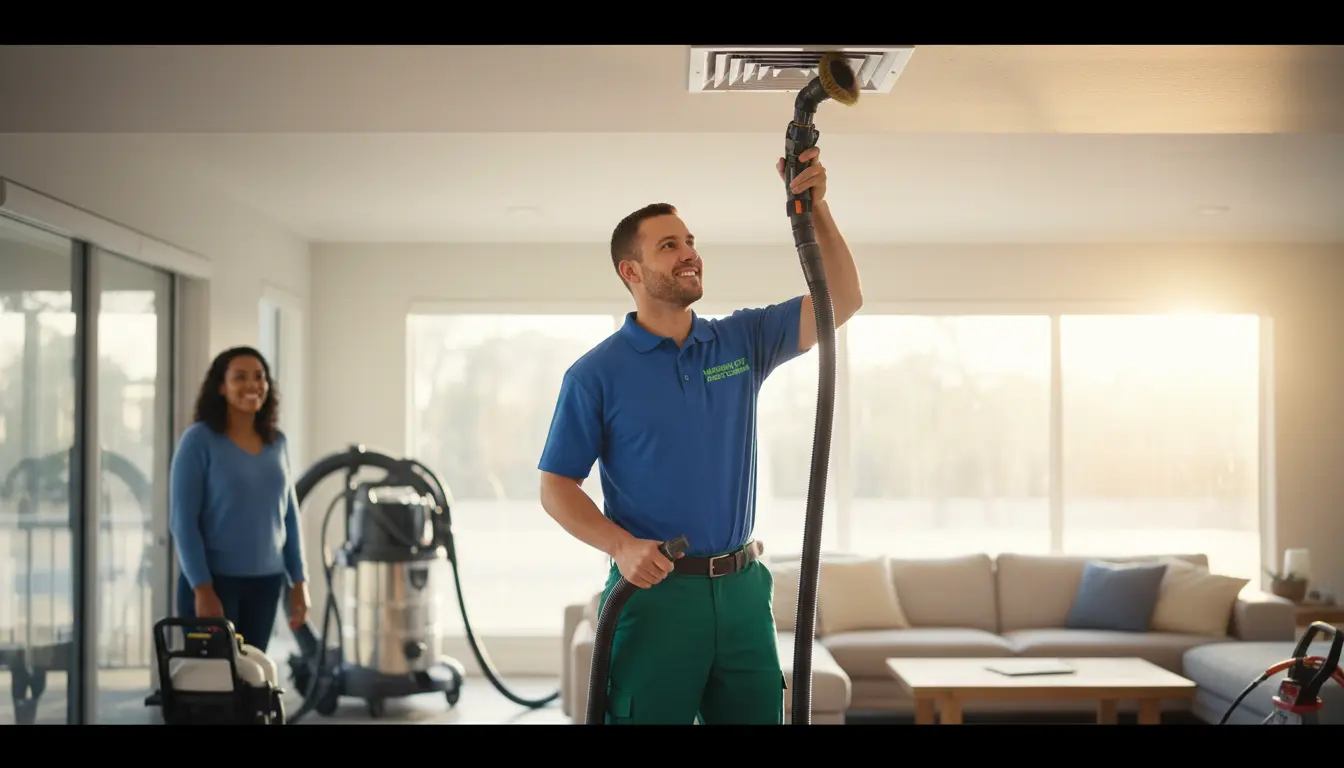
Regular maintenance of HVAC systems, appliances, and ventilation systems can help prevent indoor air quality issues. Homeowners should schedule regular inspections and cleaning of these systems to ensure they are functioning properly and not contributing to indoor air pollution.
Statistics and Insights
According to the EPA, indoor air pollution can be 2-5 times higher than outdoor air pollution. Moreover, a study by the American Society of Heating, Refrigerating, and Air-Conditioning Engineers (ASHRAE) found that proper ventilation can reduce indoor air pollution by up to 70%. The following table summarizes some key statistics on indoor air quality:
| Metric | Value | Explanation |
|---|---|---|
| Indoor air pollution levels | 2-5 times higher than outdoor levels | According to the EPA |
| Reduction in indoor air pollution | Up to 70% | Through proper ventilation, according to ASHRAE |
| Annual deaths attributed to indoor air pollution | 3.8 million | According to the CDC |
Benefits and Limitations
Benefits
- Improved health and wellbeing
- Reduced risk of respiratory problems and allergies
- Increased productivity and cognitive function
Limitations
- Initial investment in air purifiers and ventilation systems
- Ongoing maintenance and upkeep requirements
- Potential for incomplete removal of pollutants and allergens
Expert Insight
Improving indoor air quality requires a comprehensive approach that includes identifying and addressing sources of pollution, implementing proper ventilation and air filtration, and maintaining HVAC systems and appliances. By taking these steps, homeowners can create a healthier living environment and reduce the risks associated with poor indoor air quality.
Frequently Asked Questions
What are the most common sources of indoor air pollution?
The most common sources of indoor air pollution include VOCs from household products, mold and mildew, pet dander, and outdoor air pollution.
How can I improve indoor air quality in my home?
Improving indoor air quality can be achieved through proper ventilation, air filtration, and maintenance of HVAC systems and appliances. Additionally, reducing moisture levels and using natural and non-toxic household products can help minimize indoor air pollution.
What are the health risks associated with poor indoor air quality?
Poor indoor air quality can lead to respiratory problems, allergies, and other health issues, particularly for people with pre-existing conditions. It can also affect cognitive function, productivity, and overall wellbeing.
How often should I schedule maintenance for my HVAC system?
It is recommended to schedule maintenance for your HVAC system at least once a year, preferably before the start of the heating or cooling season.
Final Thoughts
In conclusion, poor indoor air quality is a significant concern for homeowners in Missouri City, but by understanding the causes and taking practical steps to improve it, homeowners can create a healthier living environment. By prioritizing indoor air quality, homeowners can reduce the risks associated with poor air quality and improve their overall health and wellbeing. Take the first step today by assessing your home’s indoor air quality and implementing strategies to improve it.